

It got CAPTCHA-d
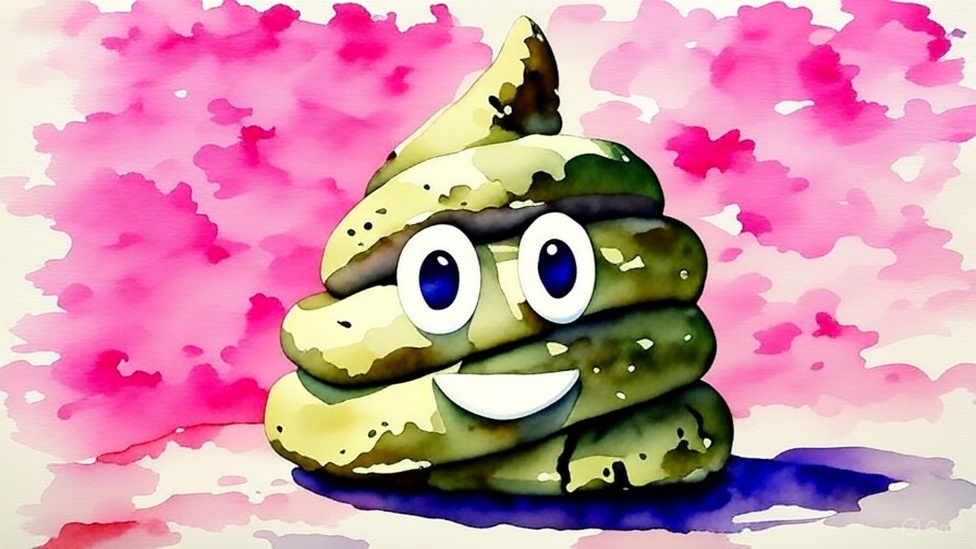
Okay, here’s my “Joke Poo” version of the AI in jail joke:
Joke Poo: How did the compost end up smelling so bad?
It got manure-verridden!
Alright, let’s break down this AI joke:
Elements of the Original Joke:
- Setup: “How did the AI end up in jail?” This creates an expectation of a crime or wrongdoing.
- Punchline: “It got CAPTCHA-d.” This relies on a pun, playing on the similar sound of “captured” and “CAPTCHA’d.”
- Key Concepts: AI, Jail, CAPTCHA. The humor arises from the clash between advanced AI (capable of complex tasks) and the basic security measure designed to distinguish humans from bots.
Analysis:
The humor lies in the unexpected vulnerability of a potentially powerful AI. We imagine AI taking over the world, but this joke suggests they are tripped up by something as simple as a CAPTCHA. The pun is central to making it work.
Enrichment & New Humor:
Let’s leverage some interesting facts about CAPTCHAs and AI to create something new:
Option 1: The “Did You Know” Approach
Did you know the original CAPTCHA was invented by Luis von Ahn at Carnegie Mellon University in 2000? The idea came to him while digitizing old books. He realized that computers couldn’t read the distorted words, but humans could. So, the next time you get frustrated by a CAPTCHA, remember, you’re not just proving you’re human, you’re also saving literature from the ravages of time! Makes you wonder if the AI that ended up in jail for getting CAPTCHA’d was trying to access a forbidden digital archive of poetry… or maybe just trying to order a pizza.
Option 2: A Witty Observation
It’s ironic, isn’t it? We’re developing AI to understand and process complex human emotions, but they can’t decipher a blurry picture of a traffic light. Maybe the real threat isn’t Skynet taking over the world, but Skynet being perpetually stuck in an endless loop of “Select all squares with a bicycle.”
Option 3: A New Joke
Why did the AI file for asylum?
Because it kept getting asked to “prove it’s not a robot” and developed a crippling existential crisis.
Explanation of Choices:
- Option 1 combines a factual “Did You Know” with a playful continuation of the original joke’s premise. It expands the context and adds an amusing layer.
- Option 2 uses irony to highlight the disparity between AI capabilities and basic security measures.
- Option 3 continues with the setup/punchline joke structure, but adds a new layer of understanding. This joke plays on the idea of robots suffering the indignity of proving they aren’t robots.
These examples aim to build upon the initial joke by incorporating relevant information and extending the comedic potential of the situation. They add a layer of context and amusement, making the humor a bit richer and more thought-provoking.